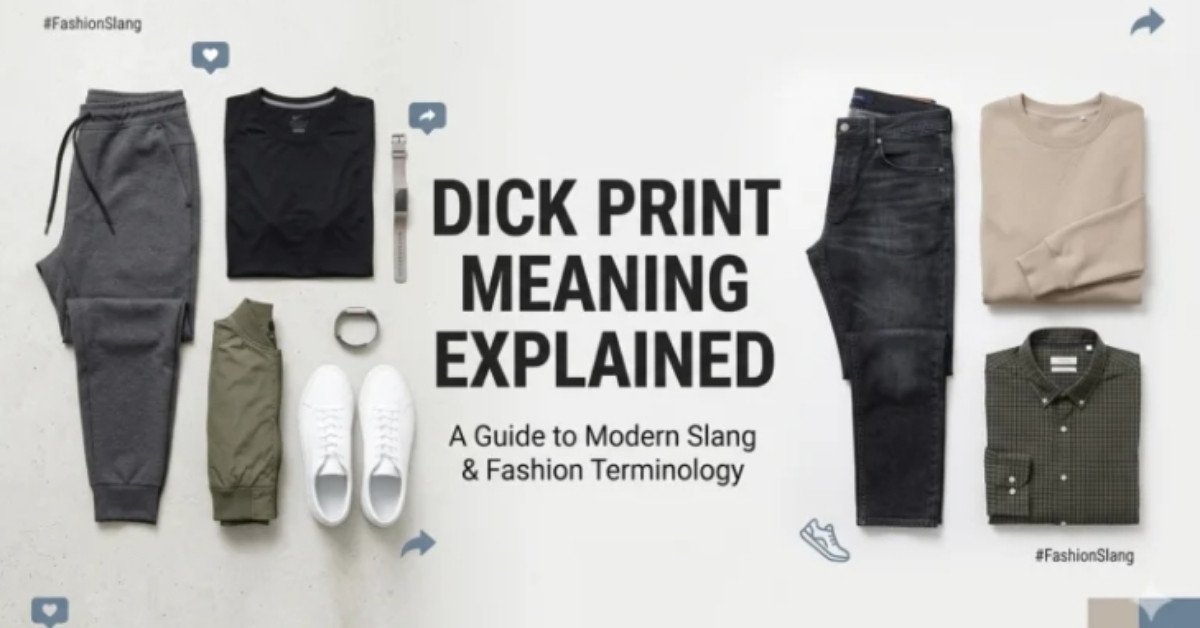
Dick Print Meaning: What It Is, Where the Term Comes From, and How People Use It
Dick print means the visible outline of male genitals through clothing. That’s it. That’s the whole definition, no fluff needed.People search this term because they saw it on TikTok, read it in a comment on Reddit, or heard a friend use it at the gym and had no clue what it meant.
This guide breaks down the meaning, the origin, and every place you’ll actually run into the phrase.You’ll walk away knowing exactly how to use it, when to avoid it, and why gray sweatpants became the unofficial mascot of this whole conversation.
What Does Dick Print Mean?
At its core, dick print is casual slang for the shape or visible outline a penis creates through tight or thin fabric. It’s descriptive, not clinical. Nobody’s writing this in a medical chart.
The phrase lives in informal language territory. You’ll hear it in jokes, memes, and offhand comments, never in a job interview or a school essay.
It’s tied closely to clothing fit. Thin material, stretch fabric, or anything worn snug can create this kind of body outline, whether the wearer wants it to or not.
Dick Print Meaning Table
| Term | Meaning |
| Dick print | Visible outline of male genitals through clothing |
| Bulge | General term for the shape of the groin area under clothing |
| Camel toe | The female equivalent, referring to a visible outline through tight pants |
| Compression wear | Tight athletic fabric that often causes visible outlines |
| Gray sweatpants meme | An internet joke about how gray sweatpants show outlines more than other colors |
This table gives you the quick version. Below, we’ll unpack every piece of it.
Where People Commonly Use the Term
Social Media
Social media slang moves fast, and dick print is a regular guest in comment sections on Instagram, X (Twitter), and TikTok. It shows up under dance videos, reaction videos, and celebrity photos.
Someone posts a video in tight pants, and the comments fill up fast. It’s usually joking, sometimes flirty, occasionally just blunt observation.
This is peak internet culture behavior. The term spreads because it’s short, visual, and instantly understood by anyone active in these spaces.
Fitness and Gym Culture
Gym culture has its own relationship with this phrase. Athletic clothing like compression shorts, leggings, and running shorts are built from lightweight fabrics that hug the body.
That fit is great for performance. It’s also why the topic comes up so often in fitness culture conversations, especially around spandex workout wear.
Guys joke about it in the locker room, on Reddit fitness threads, and in comment sections under workout videos. It’s less about shame and more about shared, relatable humor.
Fashion Discussions
Fashion discussions treat the topic a bit differently. Stylists and everyday shoppers talk about tailored pants, slim fit joggers, and summer fabrics that might be too thin for comfort.
The concern here leans toward clothing cuts and fabric choice. Thin material paired with hot weather or loose clothing worn without a layering layer underneath can create unintentional visibility.
This is where the term crosses from purely internet slang into practical fashion vocabulary, especially when people ask which fabrics to avoid.
Memes and Internet Slang
Meme culture turned this phrase into a full-blown running joke. The gray sweatpants trend is probably the most famous example, an entire genre of memes built around one color of pants.
Viral trends like this happen because they’re universally relatable. Almost everyone has seen or joked about this at some point, which fuels the meme cycle.
It’s a great case study in how Gen Z internet culture takes a simple observation and turns it into shorthand that everyone online instantly gets.
Why Clothing Creates a Visible Outline
Fabric physics is the real answer here. Fabric thickness plays the biggest role. Anything thin or made from elastic fabric will naturally show more body contours.
Lighting conditions matter too. Bright light and daylight visibility make outlines more obvious than dim indoor lighting ever would.
Body position changes things as well. Sitting position, movement, and even how someone stands can shift how visible an outline is at any given moment. It’s not always about the clothing alone.
Is Dick Print Always Intentional?
No, and this is honestly one of the most misunderstood parts of the whole topic. Most of the time, it’s just unintentional visibility caused by fabric choice, not a deliberate clothing adjustment.
Compression fit clothing is designed for athletic performance, not for showing anything off. Intentional clothing choice does exist for some people, sure, but it’s not the default assumption you should make.
Jumping to conclusions about someone’s intent based on their athletic wear is where a lot of awkward misunderstandings start. Context and respect matter here more than people realize.
Difference Between Dick Print and Bulge
These two terms get mixed up constantly, so let’s clear it up. Bulge is the broader, more general term for the shape of the groin area under clothing.
Genital outline, or dick print specifically, refers to a more detailed, defined shape being visible, not just a general bulge. Think of bulge as the umbrella term and dick print as the more specific, slang version of it.
The female equivalent people often compare it to is camel toe, which describes a similar kind of women’s clothing outline through tight pants. Different terms, same underlying idea of fabric visibility.
Examples of Dick Print in Conversation
Casual Social Media Example
“Bro why did you wear those shorts, we can see everything lol” is a pretty standard casual conversation example you’d see under a gym selfie or workout video.
Fashion Discussion Example
“These joggers are too thin, I can see the outline in bright light” is the kind of comment you’d find in a fashion trends thread discussing fitted clothing quality.
Meme Example
“POV: you’re wearing gray sweatpants” has become an entire meme format on its own, referencing the gray sweatpants jokes that flood social media comments sections.
Gym Conversation Example
“Compression shorts under your basketball shorts, trust me” is common advice passed around in sports clothing conversations, usually meant to help, not embarrass.
Similar Terms and Related Phrases
A handful of related phrases circle this same topic. Camel toe covers the female version of visible outlines. Bulge is the neutral, less specific term used across genders in fashion contexts.
Explicit slang versions exist too, though those lean more crude and are typically avoided in mixed or public settings. Sticking with the more neutral terminology keeps conversations lighter and more comfortable for everyone involved.
Knowing these similar terms helps you pick the right word for the right room, because tone and audience change everything.
Common Use Cases
Understanding Internet Slang
People land here simply trying to decode online slang they saw in a comment or caption. It’s basic slang interpretation, nothing deeper than curiosity.
Fashion or Clothing Questions
Shoppers search this when trying to figure out which fabrics or cuts to avoid. It’s a practical, real-world usage question more than a joke.
Social Media Trends
Some people are just trying to keep up with whatever search trends or memes are circulating that week, especially around viral photos or clips.
Body Confidence Discussions
There’s also a real, less joking side to this. Body confidence and body image conversations sometimes touch on this topic, especially around personal comfort and personal boundaries.
Common Mistakes and Misunderstandings
Assuming the Term Is Formal
This is casual slang, full stop. It has zero place in professional language, workplace communication, or academic writing. Save it for texts and comment sections only.
Confusing It With Medical Terms
This isn’t medical terminology. Doctors and clinical settings use entirely different, formal vocabulary. Mixing the two up just causes confusion.
Assuming Intent
As covered earlier, visibility is usually accidental. Treating every instance as deliberate misses the point entirely and can come off as rude.
Using the Phrase in the Wrong Context
Dropping this term into a formal conversation, a customer service chat, or anywhere semi-professional is a fast way to make things awkward. Read the room first.
Thinking It Only Applies to Tight Clothing
Even loose clothing can create an outline depending on fabric and lighting. It’s not exclusively a tight clothing or thin clothing issue.
Cultural and Social Context
Cultural context shapes how comfortable people are even discussing this topic out loud. Some circles treat it purely as humor and joking context, nothing serious at all.
Others frame it around modesty, privacy, and personal boundaries, especially in more conservative spaces or professional settings. Both takes are valid depending on where the conversation happens.
Social awareness matters here. Reading your audience before using this kind of language saves everyone an awkward moment, online or in person.
Fabrics and Clothing That Trigger the Conversation Most
Certain materials come up again and again in this conversation. Spandex workout wear, leggings, and swimwear top the list because of how closely they fit the body.
Fitted pants, slim fit joggers, and thinner summer fabrics join the list too, especially once you add heat, movement, or bright outdoor lighting into the mix.
Knowing which clothing material tends to cause this helps if you’re shopping and want to avoid the topic altogether, or if you’re just trying to understand why certain outfits get talked about more than others online.
How Brands and Fashion Are Responding
Some athletic wear brands have quietly adjusted fabric blends and cuts in response to these ongoing conversations. Thicker liners, double layering, and looser cuts in certain workout outfits are becoming more common.
This shift shows up in product descriptions too, where brands mention “opaque” or “non see through” fabric as a selling point. It’s a direct response to customer feedback shaped by this exact online conversation.
Fashion has always adapted to what people actually talk about, and this is just a modern, internet-driven example of that same pattern.
Conclusion
Dick print is casual, internet born slang describing a visible outline through clothing, nothing more mysterious than that. It shows up across social media, gym culture, and fashion discussions, almost always in a joking or observational tone.Understanding the slang term, its context, and when it’s appropriate to use helps you navigate these conversations without confusion or awkwardness.
Language like this evolves fast, and now you’re caught up.Keep this dictionary explanation in your back pocket next time you see the phrase pop up somewhere online, because now you’ll know exactly what’s being said and why.
FAQs
What does dick print mean in slang?
It’s online slang for the visible outline of male genitals through clothing, most often mentioned in a joking or observational tone.
Is dick print considered rude language?
It leans explicit slang and isn’t meant for formal settings, though it’s common enough in casual online spaces and gym humor.
Why do people talk about dick print online?
It’s a mix of humor, fashion critique, and genuine questions about clothing fit, especially around athletic clothing and thin fabrics.
Is dick print the same as a bulge?
Not exactly. Bulge is the broader, general term, while dick print refers to a more specific, defined visible impression.
What clothes commonly create a dick print?
Compression shorts, leggings, swimwear, and thin sweatpants are the most common culprits, especially in bright light.