Eye Candy Meaning, Examples, and How to Use This Popular Phrase
Ever heard someone call a movie “pure eye candy” and wondered what that actually means?You’re not alone.This phrase pops up everywhere, from social media captions to movie reviews, and it’s one of those bits of modern English usage that sounds simple but trips people up.
In short, eye candy means something or someone that’s visually attractive, pleasing to look at, but maybe not much beyond that.Stick around, because we’re about to unpack every angle of this popular phrase, from its roots to its everyday use, so you never misfire with it again.
Eye Candy Meaning at a Glance

If you want the short version first, here it is.
Eye candy describes anything that catches your eye and holds it, purely because it looks good.
It could be a person, a car, a website, or even a video game’s graphics.
The catch? It often implies surface-level beauty without much substance underneath, so context really shapes whether it’s a compliment or a dig.
What Does Eye Candy Mean?
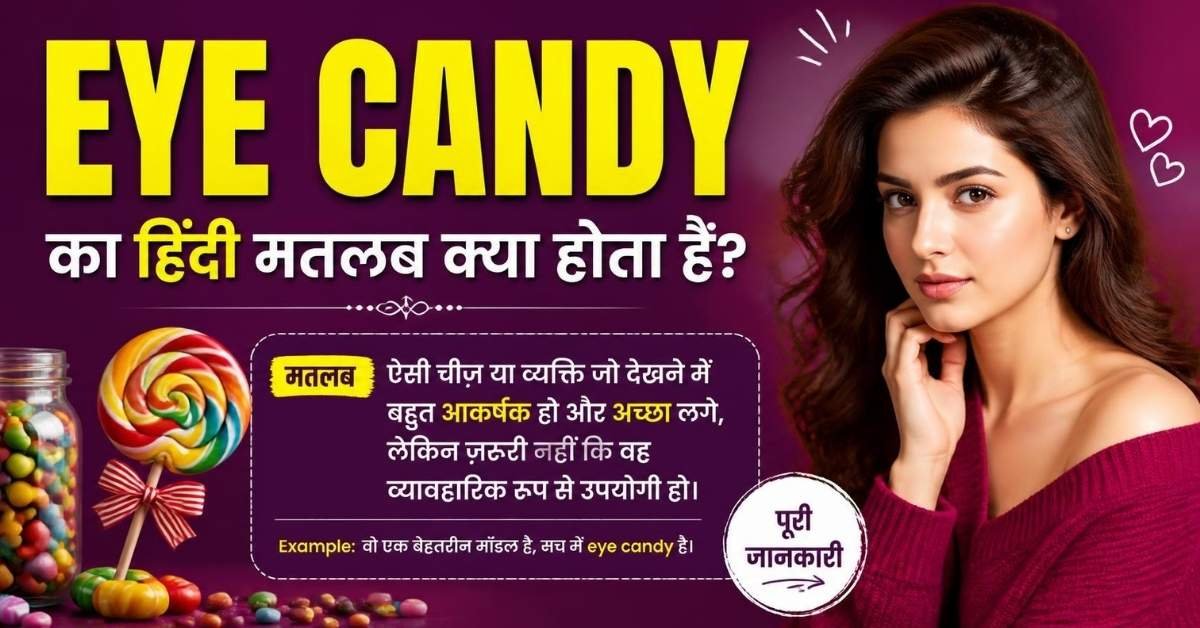
At its core, the eye candy definition boils down to something visually appealing, almost like a visual treat for whoever’s looking.
Think of it as ear candy, but for your eyes. Ear candy is a catchy song you enjoy without analyzing the lyrics too hard. Eye candy works the same way, just with visuals instead of sound.
It’s casual slang, so you won’t find it in academic papers or legal documents anytime soon. But in everyday chats? It fits right in.
Attractive People
When people use eye candy to describe a person, they’re usually talking about someone’s physical appearance, not their personality or skills.
You’ll hear this a lot around celebrities, models, and actors. Someone might say, “He’s just eye candy in that show,” meaning he looks great on screen, even if his acting isn’t winning any awards.
It’s a shorthand for appearance over substance, and it doesn’t always dig deeper than that.
Attractive Things
But people aren’t the only ones who get this label.
Objects, places, and designs can be eye candy too. A sports car with sleek curves, a beautifully wrapped gift, or a stunning sunset view can all earn the title.
Basically, if something gives you that instant “wow, that looks amazing” reaction, it qualifies as visual attraction, no matter what it actually is.
Is Eye Candy a Compliment?
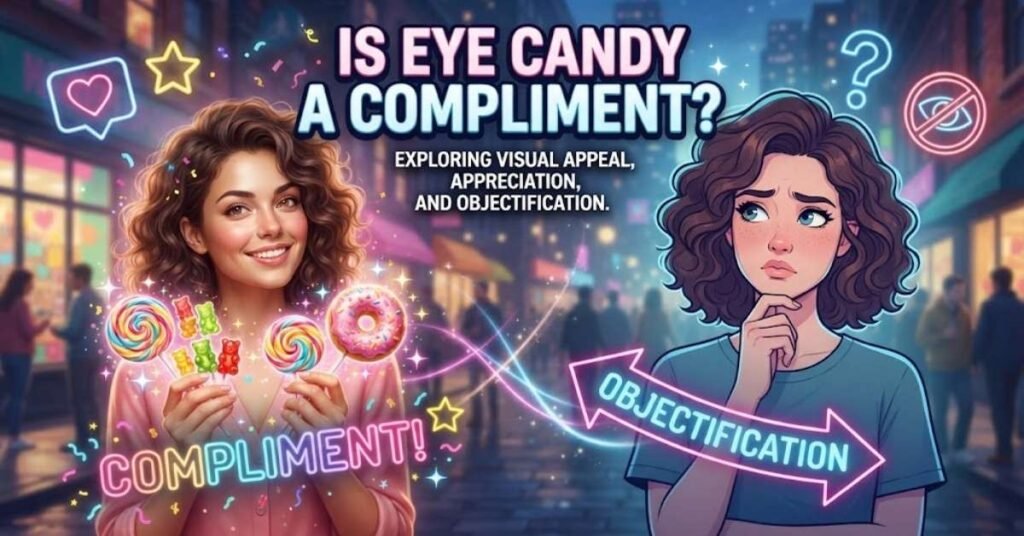
Here’s where things get tricky. Calling someone or something eye candy can feel flattering, but it’s not always meant that way.
On one hand, it acknowledges real beauty. Nobody’s mad about being called good looking. But on the other hand, it can hint that there’s no substance behind the looks, like a movie with weak plot but gorgeous special effects.
So context matters a ton here. A friend calling your new phone case “eye candy” is harmless fun. But calling a job candidate “just eye candy” crosses into objectification territory fast.
Where Is the Phrase Eye Candy Used?
You’ll mostly bump into this phrase in informal situations, casual chats with friends, or light hearted online banter.
It shows up constantly in entertainment discussions, fashion magazines, and gaming communities, where people love describing flashy visuals without getting too technical.
You won’t see it in business writing or academic writing though. It’s simply too casual, too slangy, for anything formal. Save it for casual conversation, not your next work email.
Origin of the Phrase Eye Candy
Curious about the origin of eye candy? It traces back to American English, gaining traction sometime in the mid to late twentieth century.
The idea was simple: pairing “eye” with “candy” to suggest something sweet and satisfying, but purely for visual enjoyment, much like actual candy satisfies a sugar craving without offering nutrition.
Over time, this idiomatic expression spread through pop culture, entertainment writing, and everyday slang until it became a fixture of English slang history. Language evolves fast, and this phrase is a perfect example of how a catchy pairing of words can stick around for decades.
Examples of Eye Candy in Sentences
Seeing the phrase in action helps way more than definitions alone. Let’s run through some natural examples across different situations.
About People
“The new intern is basically eye candy for the office, but he barely knows how to use Excel.”
“Fans mostly watch the show for the eye candy, not the storyline.”
About Movies and TV
“That superhero film was all eye candy, tons of visual effects but a weak plot.”
“Critics called the show pure eye candy thanks to its stunning cinematography.”
About Places and Objects
“That beach resort is total eye candy, the water looks unreal.”
“His new watch is serious eye candy, everyone at the party noticed it.”
About Technology and Design
“The app’s redesign is eye candy, smooth animations and colorful graphics everywhere.”
“Gamers praised the eye candy in the latest release, even though the gameplay felt repetitive.”
Eye Candy in Pop Culture
Pop culture basically runs on this phrase. Movie reviews and film critics use it constantly when a movie leans heavily on visual effects instead of a strong script.
You’ll also spot it in television discussions, especially reality shows or dramas praised more for their cast’s looks than their writing.
Gaming communities aren’t shy about it either. A new release with jaw dropping video game graphics but shallow gameplay often gets slapped with the eye candy label, sometimes as praise, sometimes as a gentle jab.
Similar Terms and Related Phrases
Language loves variety, so eye candy isn’t alone out there. A few related phrases carry similar vibes.
- Feast for the eyes: something so beautiful it feels like a visual banquet
- Visual treat: a lighter, softer way to say something looks great
- Ear candy: catchy music enjoyed without deep analysis
- Eye opener: something surprising or revealing, a different meaning entirely
- Food for thought: the mental equivalent, something that makes you think rather than look
These idiomatic expressions show how English loves pairing senses with sweet, satisfying words to describe quick, surface level enjoyment.
When Should You Use the Phrase Eye Candy?
Timing matters with slang like this. Use it around friends, on social media, or in casual writing where a relaxed tone fits naturally.
It works great describing Instagram photos, videos, movie reviews, or even a luxury lifestyle post showing off a fancy car or dream vacation spot.
Avoid it in professional settings, though. Calling a colleague “eye candy” or describing a client’s product that way in a formal pitch could land you in hot water fast.
Common Mistakes People Make
Even a simple phrase like this trips people up sometimes. Let’s clear up the most frequent slip ups.
Thinking It Only Refers to People
Plenty of folks assume eye candy only describes attractive individuals. Not true. Cars, buildings, apps, and artwork all qualify just as easily.
Assuming It Is Always a Compliment
Not every use is flattering. Sometimes it hints at lack of deeper value, like praising looks while quietly criticizing substance.
Using It in Formal Situations
This phrase belongs in everyday English, not reports or presentations. Using it formally makes writing sound unprofessional instantly.
Confusing It With Romantic Interest
Calling someone eye candy isn’t the same as saying you’re attracted to them romantically. It’s more about surface level appeal than genuine feelings.
Is Eye Candy Offensive?
This depends heavily on tone and intent. Used playfully among friends, it’s harmless. Used to reduce someone entirely to their looks, it edges toward objectifying appearance.
Context is everything here. Calling a stranger “eye candy” to their face could feel disrespectful, while using it to describe a magazine spread feels totally normal.
When in doubt, read the room. If there’s any chance it could feel dismissive of someone’s skills or personality, it’s safer to skip the phrase altogether.
Eye Candy Examples in Everyday Life
Beyond movies and celebrities, this phrase sneaks into daily life more than you’d think.
A beautifully designed coffee shop interior? Eye candy. A friend’s new sneakers with a flashy colorway? Eye candy. Even a well organized, colorful spreadsheet at work could earn a joking “that’s some serious eye candy” comment.
Basically, anywhere visual appeal outshines function, this phrase fits right in, proving just how flexible and fun casual slang can be.
Additional Insight: How Eye Candy Shapes Modern Marketing
Brands know this phrase well, even if they don’t say it out loud. Product design, packaging design, and website layouts all lean on aesthetic appeal to grab attention fast.
Think about luxury products like a luxury watch or a sleek sports car ad. The marketing rarely leads with specs first. It leads with stunning visuals because that’s what stops your scroll.
This is why website design and user interface choices matter so much today. A clunky app with weak high-quality graphics loses users quickly, no matter how good its features are underneath.
Additional Insight: Eye Candy vs Genuine Substance
There’s a real difference between something being eye candy and something having lasting value, and it’s worth knowing the gap.
A movie can win awards for strong storyline and still have gorgeous visuals, that’s the best of both worlds. But when visuals carry the entire experience, viewers eventually notice the emptiness.
The smartest brands, filmmakers, and designers aim for both: eye-catching designs paired with real function or meaning, so their work doesn’t fade the moment the initial “wow” wears off.
Conclusion
At the end of the day, eye candy is a fun, flexible phrase that captures anything pleasing to the eyes, whether that’s a person, a place, or a product.It’s not always a compliment, and it’s definitely not for formal writing, but in casual conversation, it does its job perfectly.
Next time something catches your eye and holds it, you’ll know exactly what to call it, and exactly when it’s appropriate to say so.
FAQs
What does eye candy mean in slang?
In slang, it simply means something or someone visually attractive, often without deeper substance behind the looks.
Is eye candy a positive phrase?
It can be, but not always. It depends on tone, context, and whether it implies a lack of depth.
Can eye candy refer to objects?
Absolutely. Cars, gadgets, websites, and even furniture can all be called eye candy if they look impressive.
Is eye candy an idiom?
Yes, it’s considered an idiomatic expression, since its meaning goes beyond the literal words “eye” and “candy.”
Can I call someone eye candy?
You can, but tread carefully. It works fine in light hearted banter, but it can feel dismissive if used carelessly.
What is another word for eye candy?
Alternatives include visual treat, feast for the eyes, or simply calling something stunning or gorgeous.
Why do movie reviews use the phrase eye candy?
Film critics use it to point out when a movie relies heavily on visual effects instead of a strong storyline, highlighting style over substance.