Uff Meaning in Chat: What It Really Means in Texts, Social Media, and Online Conversations
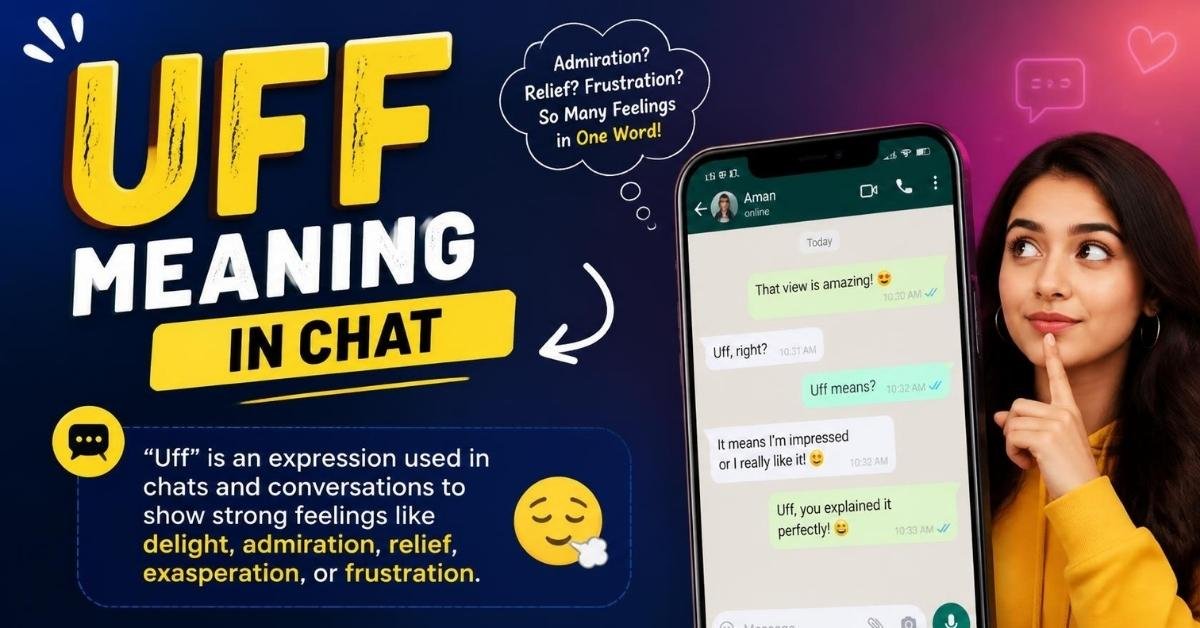
Uff is a short exclamation people type when words alone can’t carry the weight of what they feel. It shows up after a rough day, a stunning photo, or a piece of news nobody wanted to hear. Think of it as a digital sigh, a verbal exclamation squeezed into three letters that says more than a full sentence sometimes could.
You’ve probably typed it yourself without thinking twice. That’s the beauty of conversational shorthand like this. It just fits.
What Does Uff Mean in Chat?
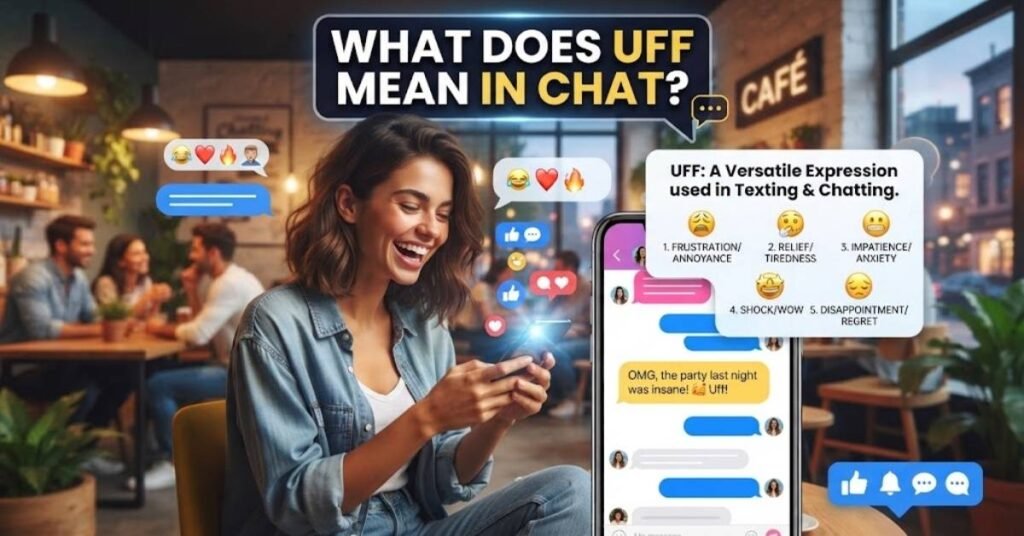
At its core, uff meaning in chat points to a burst of feeling, usually tied to exhaustion, frustration, or surprise. It works like an emotional placeholder when you don’t have the energy to type out “I’m so tired” or “wow, that’s a lot.”
People drop it into text messages the same way they’d let out a groan in person. It’s phonetic spelling of a sound your body makes without asking permission first.
Context decides the rest. A single “uff” after a breakup story means something very different from “uff” under a gym selfie.
The Origin and History of the Word “Uff”

The word didn’t start on smartphones. It’s actually borrowed from spoken language across several regions, including Hindi, Urdu, and German, where “uff” has long been a natural sound of exasperation or physical relief.
Long before early SMS and instant messaging existed, people said it out loud after lifting something heavy or hearing bad news. It’s genuinely onomatopoeia, a word that imitates the sound of breath escaping under pressure.
As texting culture grew through the late 1990s and early 2000s, the sound simply moved from mouths to keyboards. It kept its meaning intact the whole way.
Why People Use Uff in Text Messages
Typing full sentences takes effort, and sometimes your emotional state doesn’t have the patience for that. Uff gives you communication speed without losing emotional clarity.
It also builds a kind of shared cultural understanding. When you send it, the other person usually gets exactly what you mean without needing extra explanation.
That’s what makes it such a reliable linguistic shortcut in casual messaging. Nobody has to ask what you meant.
Different Meanings of Uff in Online Conversations
The same three letters stretch to cover a surprisingly wide emotional spectrum. What it means always comes down to tone, timing, and the relationship between chat participants.
Here’s how the three biggest uses break down.
Deep Exhaustion and Burnout
After a long workday, a sleepless night, or a punishing study session, “uff” becomes shorthand for mental exhaustion and physical exhaustion rolled into one. It’s the text version of collapsing onto a couch.
Students send it after a tough exam. Employees send it after finishing a major presentation or wrestling with data spreadsheets until midnight.
Annoyance and Resignation
Sometimes “uff” carries frustration or irritation instead of tiredness. Think of a bureaucratic issue, a flight delay, or a printer that jams for the third time in an hour.
It’s not rage. It’s closer to a tired shrug, a quiet “of course this happened” kind of resignation.
Surprise, Awe, and Attraction
On the flip side, “uff” can express admiration or even attraction. A stunning photo, a gorgeous photo, or an unexpectedly good plot twist can all earn this reaction.
It works almost like a digital whistle, a quick round of applause typed instead of spoken.
Uff Meaning on WhatsApp Chats
WhatsApp chats see this word constantly, mostly because the app thrives on private messaging between close friends and family. It fits right into friendly conversations and family conversations where formality never mattered anyway.
A friend might text “uff, traffic was insane today” to vent after a commute. A parent might reply “uff” after hearing about a grandchild’s fever, showing worry without a lecture attached.
Because WhatsApp leans personal, the tone here tends to lean supportive rather than sarcastic.
How Uff Is Used on Instagram and TikTok
Head over to Instagram comments or TikTok comments, and the flavor shifts. Here, “uff” usually reacts to attractive content, whether that’s a fitness video, a dance routine, or a stellar performance.
Content creators and public figures see it flooding their comment sections after an outfit transition video or a celebrity photo drop. It’s become part of the everyday social media vernacular on visual platforms.
On these apps, it rarely means tiredness. It almost always signals excitement or hype.
Common Situations Where People Say Uff
Daily struggles create most of the moments where this word appears naturally. A hot summer day without an air-conditioned room, a heavy grocery bag, or an overflowing work to-do list can all trigger it.
Minor inconveniences count too. Missing a bus, spilling coffee, or realizing you left your charger at home are all textbook “uff” moments.
It also appears after genuinely stressful events and difficult situations, working as a small release valve before a longer conversation begins.
Examples of Uff in Real-Life Chat Conversations
Seeing it in context makes the meaning click faster than any definition could.
Scenario A: Expressing Fatigue and Overwhelm
Person A: “Just got back from a 12 hour shift, uff.” Person B: “That’s brutal, go rest.”
Here the word instantly signals overwhelm, and the reply matches that with empathy rather than questions.
Scenario B: Expressing Admiration and Hype
Person A: “Uff, this song hits different tonight.” Person B: “Right? I’ve had it on repeat all week.”
No explanation needed. Both people understand this is pure admiration, not exhaustion.
Is Uff a Positive or Negative Expression?
Honestly, it’s neither by default. Uff sits in a gray zone, shifting between positive sentiment and negative sentiment depending entirely on what surrounds it.
Pair it with a complaint, and it leans negative. Pair it with a compliment or a heart emoji, and suddenly it reads as pure appreciation.
This flexibility is exactly why it survives across so many conversation scenarios. One word, dozens of possible feelings.
Uff vs Oof vs Ugh: Understanding the Difference
These three often get lumped together, but they’re not interchangeable if you look closely.
- Oof usually reacts to a mistake, a fail, or secondhand embarrassment.
- Ugh leans almost entirely negative, tied to disgust or annoyance.
- Uff stays flexible, covering exhaustion, awe, and frustration all at once.
Knowing this difference helps you pick the right word instead of defaulting to whichever one you saw last.
What Does Uff Mean When a Girl Says It?
There’s no single rulebook tied to gender here, but patterns do show up in casual dating and flirting contexts. When used in a romantic context, it often signals genuine attraction or being caught off guard by someone’s charm.
A girl texting “uff” after a compliment or a cute photo is usually expressing flattered surprise. It’s playful, not dismissive.
Outside romance, the meaning stays identical to general usage, tied to tiredness or mild frustration.
What Does Uff Mean When a Guy Says It?
From a male perspective, the word often appears after physical labor, a demanding work shift, or a heavy workout at the gym. It’s a quick way to show effort without sounding like he’s complaining.
In romantic interactions, guys also use it to react to someone’s appearance, matching the same admiring tone seen elsewhere. The gender context shifts the trigger slightly, not the core emotion.
At the end of the day, both usages point back to the same emotional reaction, just wrapped in different daily routines.
How to Respond When Someone Texts You “Uff”
Replying well starts with reading the mood behind the word. If it followed a complaint, a short “that sounds exhausting” works better than a joke.
If it followed something exciting, matching their energy with your own “uff” or an enthusiastic emoji keeps the mutual validation going. This small back and forth builds closer connections even in low-pressure communication.
Silence usually isn’t the answer here. Even a one word reply shows you’re actually listening.
Uff in Other Languages and Cultures
Beyond English, “uff” carries real weight in global internet culture. In Hindi and Urdu speaking communities, it’s a common spoken language expression long before it ever hit a keyboard.
German speakers use a nearly identical sound the same way, often after physical strain or mild annoyance. This overlap explains why the word spread so naturally through online forums, Discord, and Reddit threads without feeling foreign to anyone.
It’s a rare case of internet slang that didn’t need an origin story invented for it. The history was already there.
Conclusion
Uff works because it captures a feeling faster than a full sentence ever could. Whether it’s exhaustion after a long workday, frustration over a small inconvenience, or genuine awe at something beautiful, the word bends to fit the moment.
Next time you’re not sure how to respond to a wild day or a great photo, one small “uff” might say exactly what you mean. Sometimes the shortest words carry the most.
FAQs
Is “uff” slang or a real word?
It functions as internet slang today, but its roots trace back to real spoken language used across multiple cultures for generations.
Can “uff” be used in professional messages?
It’s best kept in casual context, since it doesn’t fit office work emails or formal reports.
Does “uff” always need an emoji?
No, though pairing it with one can clarify tone, especially when context clues in the text alone aren’t strong enough.