Hoochie Mama Meaning, Origins, and How People Use It Today
Ever heard someone say “hoochie mama” and wondered what it actually means? You’re not alone.This is one of those slang terms that pops up in old songs, throwback shows, and random internet threads, yet nobody quite explains it in plain talk.Short answer: hoochie mama usually describes a woman seen as flashy, flirtatious, or dressed in a bold, attention-grabbing way. The tone behind it, though, can swing from playful to downright insulting.
In this guide, you’ll get the full picture. We’ll cover the hoochie mama meaning, where the phrase came from, how people use it now, and why it can rub people the wrong way. No fluff, just the facts you actually came here for.
What Does Hoochie Mama Mean?
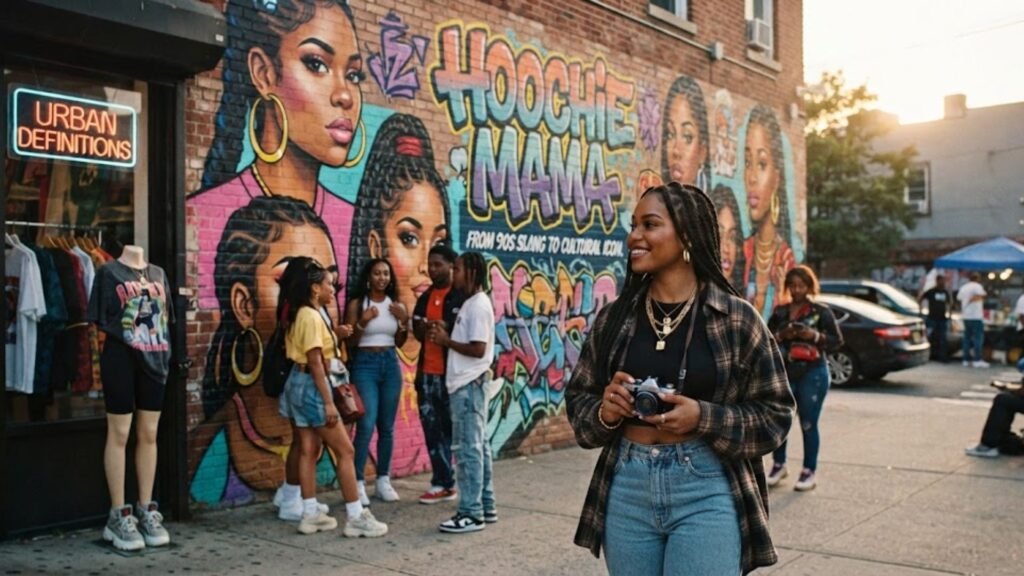
At its core, hoochie mama is American slang for a woman who comes across as bold, flirty, and a little over the top in her appearance.
Think loud outfits, dramatic makeup, or an attitude that says “look at me.” The phrase leans on appearance-based judgment, which is exactly why it’s tricky.
Some folks use it as a lighthearted jab between friends. Others use it as a straight-up insult tied to clothing choices or perceived sexual confidence. Context does all the heavy lifting here.
Hoochie Mama Meaning by Context
Here’s the thing about slang: the same two words can mean five different things depending on who says them and how.
Casual conversation among close friends might treat “hoochie mama” as a joke, almost affectionate in a teasing way. Nobody’s trying to hurt feelings.
Flip the tone, and it becomes judgmental language aimed at a woman’s outfit or behavior. That shift from playful to insulting happens fast, and audience awareness matters a lot.
- Among friends: light teasing, no real bite
- In an argument: a sharp insult about appearance or behavior
- Online: often used ironically or nostalgically
- In music: sometimes glamorized, sometimes mocking
Where Did the Term Hoochie Mama Come From?
The word origin traces back further than most people expect. Hoochie likely connects to hoochie coochie, a phrase tied to provocative dancing at traveling shows and fairs in the late 1800s and early 1900s.
These dance acts were part of entertainment culture at the time, often built around revealing performance meant to shock or excite crowds. The word carried a sense of scandal from day one.
By the twentieth century, “hoochie” had drifted into everyday American slang history, describing a woman seen as loose or overly sexual. Add “mama,” a common term tacked onto slang for emphasis, and you get the fuller phrase we know today.
The 1990s and early 2000s cemented it in mainstream pop culture, thanks largely to hip hop music and comedy sketches that leaned on the phrase for laughs.
Is Hoochie Mama Offensive?
This is the question everyone’s really asking, right? The honest answer: it depends on delivery, relationship, and context.
When It May Sound Offensive
Used by a stranger, a coworker, or in a heated argument, “hoochie mama” turns into disrespectful language fast. It leans on stereotyping women based on how they dress or carry themselves.
Critics rightly point out that this kind of phrase feeds into slut-shaming and appearance shaming. It judges a woman’s worth by her clothes rather than anything she’s actually done. That’s a real problem, and it’s why many consider the term outdated and sexist.
When It May Sound Less Serious
Among close friends who use it as an inside joke, the sting mostly disappears. It becomes nostalgic reference more than anything, a throwback line from a movie or song that gets repeated for laughs.
Even then, cultural sensitivity matters. What sounds harmless in one friend group can land badly with someone outside it.
Examples of Hoochie Mama in Sentences
Seeing the phrase in action makes the tone shift easier to spot.
Casual or Playful Examples
- “She showed up in that sparkly dress acting like a total hoochie mama, we couldn’t stop laughing.”
- “Girl, you’re being a hoochie mama tonight, in the best way.”
These lean into humorous usage and teasing rather than genuine criticism.
Negative or Insulting Examples
- “He called her a hoochie mama just because of what she wore, which wasn’t fair at all.”
- “Don’t be a hoochie mama at the family dinner, people will judge you.”
Notice how the second set carries negative tone and a clear insult toward women. Same words, completely different weight.
Hoochie Mama in Music and Pop Culture
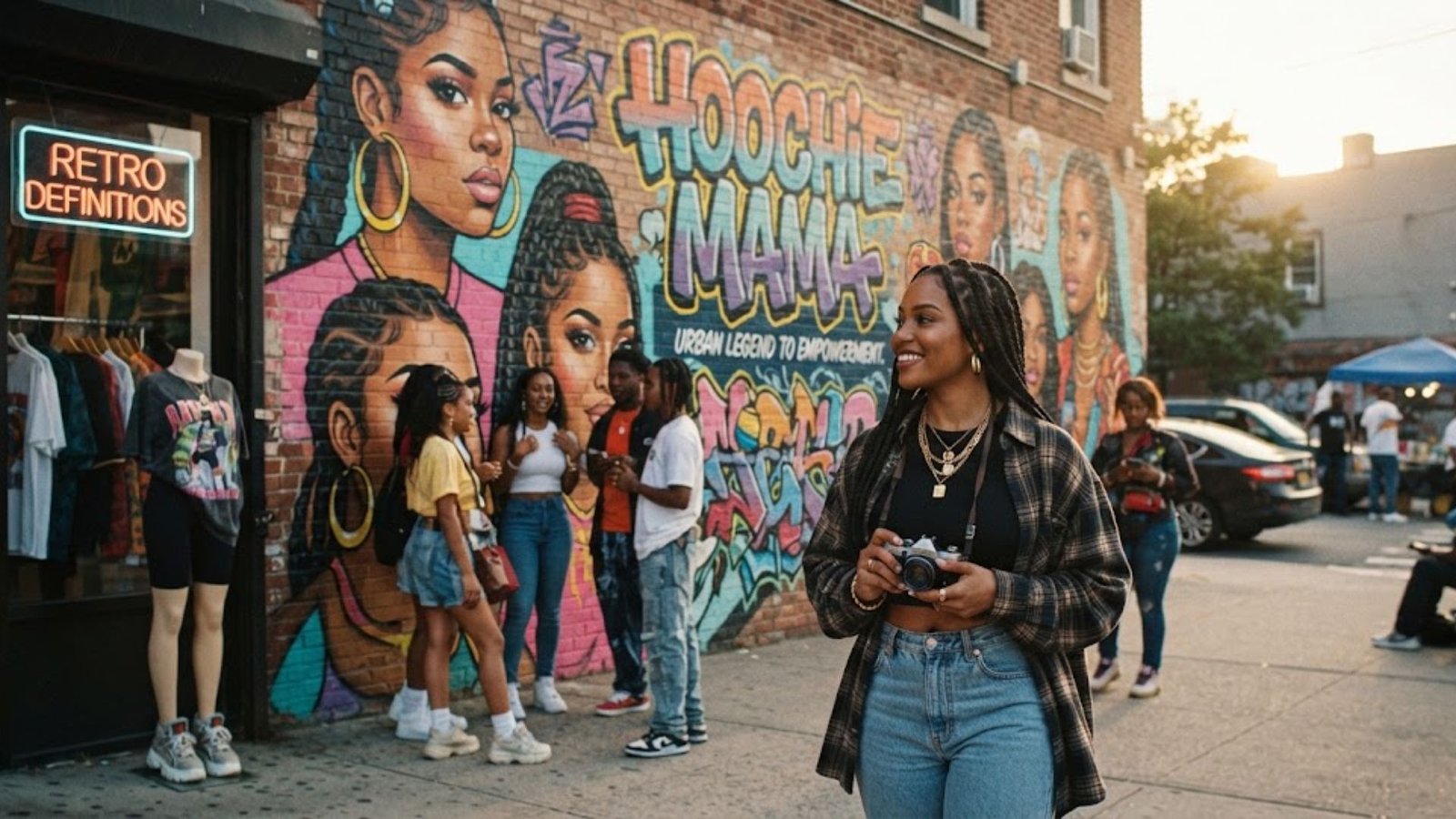
You can’t talk about this phrase without mentioning music lyrics. It shows up across rap music, R&B songs, and comedy skits from the 90s onward.
Artists used it to describe flashy, confident women at clubs and parties, tying it to club culture and nightlife. Some songs glamorized the image, while others used it as a punchline.
Movies and television picked it up too, usually as comic relief. A character gets labeled a “hoochie mama” for a bold outfit, and the audience laughs along. That repetition across entertainment industry content is exactly how slang sticks around for decades.
Similar Slang Terms and Related Phrases
Slang rarely exists in isolation. A handful of related slang terms cover similar ground, though each carries its own flavor.
- Baddie: usually a positive spin on confidence and style
- Diva: bold personality, sometimes demanding
- Party girl: focused on going out and having fun
- Gold digger: implies dating someone for money, a different angle entirely
Compare these to “hoochie mama,” and you’ll notice modern terms like baddie often skip the harsh judgment. That contrast says a lot about how language evolution works.
How the Meaning Has Changed Over Time
Slang never sits still. What sounded normal in one decade can sound tone-deaf in the next.
Older Usage
Back in the 1990s and into the early 2000s, “hoochie mama” was common urban slang, tossed around in songs, sitcoms, and casual chatter without much pushback.
It carried a mix of humor and judgment, often aimed squarely at women’s fashion choices and confidence.
Modern Usage
Today, the phrase feels more like throwback culture than active slang. Younger audiences are more likely to hear it in an old song than use it themselves.
Modern usage leans toward baddie or confident woman as replacements, terms that skip the negative baggage while still describing bold style and sexual confidence.
Common Situations Where People Hear the Phrase
Wondering where this phrase still pops up? Here’s a quick rundown.
Music Lyrics
Old-school hip hop music and R&B songs remain the biggest source. Streaming old playlists brings the phrase right back into rotation.
Movies and TV Shows
Comedy films and sitcoms from the 90s and 2000s used it often, usually for a quick laugh at a character’s expense.
Social Media
Social media captions sometimes revive the phrase ironically, especially in throwback posts paired with old photos or songs.
Internet Searches
A lot of people search the term simply because they heard it somewhere and want the actual hoochie mama meaning, not because they plan to use it.
Fashion Discussions
Occasionally, the phrase surfaces in conversations about early 2000s fashion, usually tied to bold, flashy clothing trends from that era.
Common Mistakes About Hoochie Mama
People misuse or misunderstand this phrase more than you’d think. Here are the big ones.
Assuming It Is Always a Compliment
Some assume the phrase always means confident and stylish. In reality, the negative edge is baked into its history, and it can land as an insult fast.
Thinking It Is Modern Positive Slang
Confusing it with newer terms like baddie is a common slip. The two aren’t interchangeable, since one leans judgmental and the other leans celebratory.
Using It in Professional Settings
Workplace conversations and formal settings are the wrong place for this phrase, period. It reads as unprofessional and potentially offensive no matter the intent.
Ignoring Cultural Context
Skipping over cultural context leads to awkward or hurtful moments. What’s a joke among friends can feel like an attack from someone outside that circle.
Confusing It With Harmless Fashion Terms
Not every bold outfit deserves this label. Mixing up genuine fashion-forward style with this loaded phrase does a disservice to the person being described.
Should You Use the Phrase Today?
Honestly? Probably not, unless you’re certain about your audience and your intent.
The phrase carries enough negative stereotype baggage that it’s easy to offend without meaning to. If you want to describe someone as bold, stylish, or confident, plenty of modern alternative terms do the job without the judgmental undertone.
Words like stylish, confident, or even baddie carry the same energy minus the sting. Language keeps moving forward, and there’s no real downside to moving with it.
Conclusion
So there you have it, the full story behind hoochie mama. It started as slang tied to hoochie coochie performances, grew through 1990s slang and hip hop culture, and eventually settled into throwback culture territory.
Whether it sounds playful or offensive comes down entirely to context, tone, and who’s listening. When in doubt, reach for a term that celebrates confidence without the judgment attached.
Slang like this reminds us how much language changes and how much audience awareness actually matters in everyday talk.
FAQs
What does hoochie mama mean in slang?
It describes a woman seen as bold, flashy, or flirtatious, often tied to her clothing or attitude. The tone ranges from playful to insulting.
Is hoochie mama a bad word?
It’s not a curse word, but it can definitely function as an offensive phrase depending on context and delivery.
Where did the term hoochie mama come from?
It traces back to hoochie coochie, a phrase linked to provocative dance performances from the late 1800s, later evolving through American slang history.
Is hoochie mama still used today?
Rarely as active slang. It mostly shows up in old songs, throwback references, or nostalgic conversations rather than everyday speech.
Can hoochie mama be used as a compliment?
Sometimes, among close friends joking around. Outside that context, it usually reads as criticism rather than praise.
What is the difference between hoochie and hoochie mama?
“Hoochie” is the shorter, older root word, while “hoochie mama” is the fuller phrase that became popular through 90s pop culture and music.
Why do people search for hoochie mama online?
Most people search it after hearing the phrase in a song or show and wanting a clear, honest explanation of what it actually means.