
Boy or Girl: What’s the Difference? (Guide 2026)
Boy means a male child, and girl means a female child. That’s the short version.Once someone grows into an adult, the correct words change too. A grown male becomes a man, and a grown female becomes a woman. Using boy or girl for a full grown adult isn’t wrong grammar exactly, but it can sound off, or even a little disrespectful.
So if you’re filling out a form, writing a school assignment, or just chatting with a friend, the age of the person you’re talking about decides which word fits. Simple as that.
The Origin of Boy or Girl
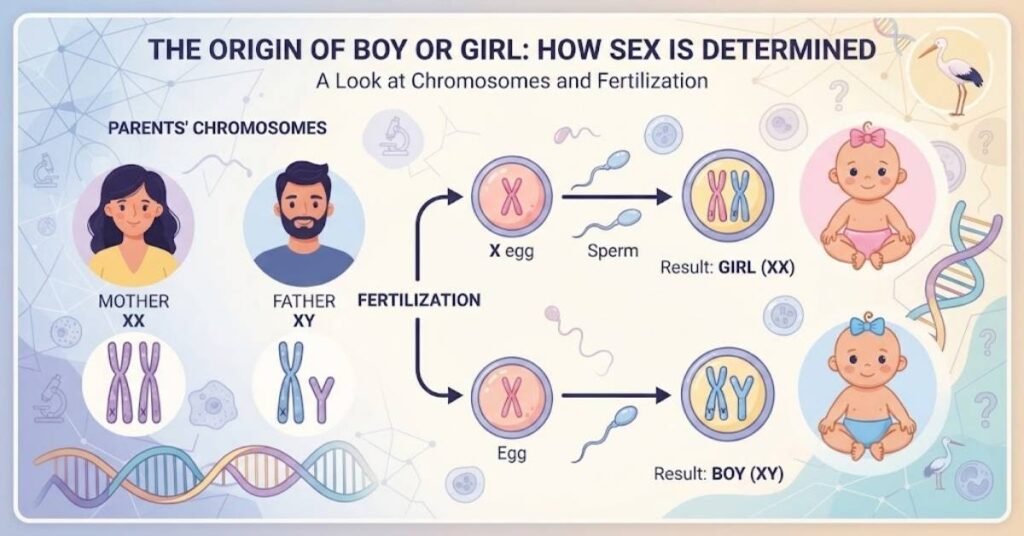
The word boy traces back to Middle English, where an early form was boie. Nobody knows the exact roots for sure, but historians link it loosely to old Germanic words for a young male or servant.
Girl has an even fuzzier past. Some language experts point to gerle, a Middle English term that once described a young person of either gender, not just females. Over centuries, English speakers narrowed it down to mean only a female child.
That’s the fun part about word origin stories. Meanings shift, definitions narrow, and what a word meant 600 years ago barely resembles how we use it now. Language change happens slowly, but it happens.
Linguists studying historical meaning often point out that many everyday words started out gender neutral or covered a totally different group of people. Girl is a textbook example of this meaning change. It didn’t always mean “young female,” it once just meant “young person,” full stop.
This kind of social change shaped a lot of modern vocabulary. As societies drew clearer lines between male and female roles, the standard word choices followed along, splitting once shared terms into the gendered pairs we use in modern English today.
British English vs American English Spelling
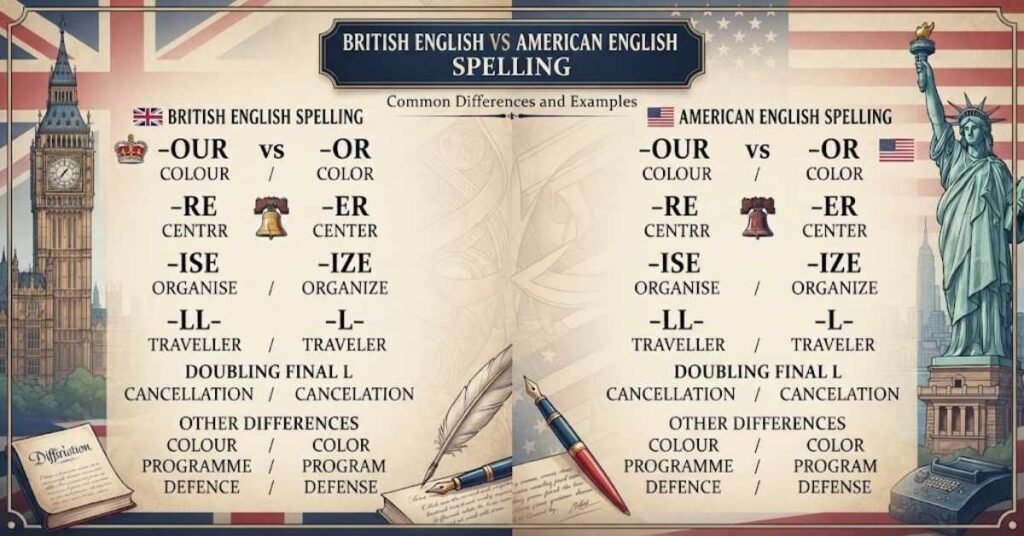
Here’s some good news. Boy and girl are spelled exactly the same in British English and American English. No tricky letter swaps like “colour” versus “color” here.
Where you’ll notice small differences is in the surrounding grammar and phrasing. UK English speakers might say “she’s a lovely girl,” while US English speakers phrase things almost identically. The Commonwealth English style guide and the US English style guide both treat these words the same way.
So if you’re worried about regional spelling rules tripping you up, relax. This is one of those rare cases where English varieties actually agree.
Which Spelling Should You Use?
Since spelling isn’t the issue, the real question becomes word choice. Should you say boy or girl, or should you reach for man or woman instead?
The answer depends on age. Anyone under roughly 18 gets called a boy or girl in most formal writing and casual talk. Past that point, man and woman are the respectful terminology to use, especially in professional writing.
There’s a gray zone too. Teenagers sometimes get called young man or young woman in polite language, particularly in schools or in serious writing like news reports. It softens the tone without sounding like you’re talking about a toddler.
Common Mistakes with Boy or Girl
The biggest slip up? Calling an adult woman a girl, or calling an adult man a boy. It happens constantly in daily conversations, and most people don’t even realize it can come across poorly.
Think about a manager describing a 30 year old employee as “the new girl in accounting.” It’s casual language, sure, but in professional text it reads as dismissive. The same goes for referring to a grown man as “just a boy” outside of a joking context between friends.
Another common trip up is mixing gender terminology carelessly, like calling a female child a boy by accident in a rushed email. It’s a small thing, but clear language matters more than people think, especially when writing for education sites or parenting blogs where accuracy builds trust.
Boy or Girl in Everyday Examples
Let’s make this practical with a few everyday examples. On a baby announcement card, you’ll see “It’s a boy!” or “It’s a girl!” That’s boy or girl doing exactly what it’s meant to do, marking a newborn’s gender in the simplest way possible.
In school forms, a teacher might write “each boy and girl in the class received a certificate.” That’s neutral, clear language suited for kids. Compare that to a news story about a 25 year old woman winning an award. The reporter wouldn’t call her a “girl,” they’d say woman, because professional writing demands respectful terminology.
Social media posts blur these lines constantly. You’ll see grown adults jokingly call themselves “just a girl” or “the boys” among friends. That’s informal tone, and it’s fine in that social context. But drop that same phrasing into a formal writing setting, like a resume or a court document, and it stops working.
Boy or Girl in Parenting and Pregnancy Context
Nowhere does boy or girl matter more than in pregnancy and parenting. Expecting couples spend months wondering which one it’ll be, and baby planning searches spike every single year around gender reveal season.
Parenting searches for terms like “signs you’re having a boy or girl” pull in massive traffic on parenting blogs, even though most of those old wives’ tales have zero scientific backing. Doctors rely on ultrasounds and blood tests, not heartbeat rate or how you’re carrying.
Once the baby arrives, the labels stick around for years. A baby boy becomes a little boy, then a young boy, and eventually just a regular kid running around causing chaos. Same story for a baby girl growing into a little girl and beyond. The words evolve right alongside the child.
When Does a Boy Become a Man (and a Girl a Woman)?
There’s no official switch that flips at midnight on someone’s 18th birthday, but that age is the loose cultural marker most people use. Before it, you’re a child. After it, you’re an adult.
Legally, plenty of countries tie age limits to 18 for voting, signing contracts, or drinking in some places. Socially though, people often use young man or young woman for late teens and early twenties, especially in school settings or daily chats where “man” or “woman” might feel too heavy for someone barely out of high school.
It’s not an exact science. Context matters more than a strict number. A coach calling his 17 year old players “young men” sounds encouraging. Calling them “the boys” during a locker room pep talk sounds just as normal. Both work, depending on tone.
Think of it like a sliding scale rather than a switch. A 12 year old is firmly a child. A 16 year old sits in that in between zone where young man or young woman starts fitting better than boy or girl. By 20, most people have fully crossed into adult territory, even if a few playful nicknames stick around from childhood.
This is exactly why age group matters so much more than a strict legal number when you’re choosing words. Real conversations rarely wait for a birthday to decide what sounds natural.
Boy or Girl – Google Trends & Usage Data
Search interest around boy or girl stays remarkably steady year over year, driven heavily by expecting parents. Google Trends typically shows spikes around baby shower season and whenever a celebrity pregnancy makes headlines.
Comparing search phrase volume, “boy or girl quiz” and “boy or girl symptoms” rank among the most searched keyword variations tied to pregnancy planning. Meanwhile, grammar focused searches like “when to say boy or girl versus man or woman” show smaller but consistent traffic from content writing professionals and students.
This tells us something useful. People aren’t just searching for the dictionary meaning of these words, they’re searching for real life guidance on when each term actually fits.
Boy or Girl Comparison Table
| Term | Refers To | Typical Age | Common Setting |
| Boy | Male child | Under 18 | Everyday, school, casual |
| Girl | Female child | Under 18 | Everyday, school, casual |
| Young man | Older male teen | Roughly 13 to 21 | Semi formal, school, sports |
| Young woman | Older female teen | Roughly 13 to 21 | Semi formal, school, sports |
| Man | Adult male | 18 and up | Formal, professional |
| Woman | Adult female | 18 and up | Formal, professional |
Common Mistake Entities to Watch For
Beyond calling adults by child terms, there’s a subtler issue. Some writers overuse informal language in places that call for serious writing, like referring to a defendant in a legal article as “the girl” when she’s actually a grown woman.
Respectful terminology isn’t about being overly cautious or stiff. It’s about matching your tone to your audience. Sensitive topics, like court cases, medical reports, or workplace incidents, need appropriate terminology far more than a casual group chat does.
Getting this right actually helps your writing sound sharper. Sloppy word choice makes readers trust you less, even if they can’t pinpoint exactly why something felt off.
Here’s a quick checklist worth keeping in mind before you hit publish or send:
- Is the person you’re describing under 18? Boy or girl usually works fine.
- Are they a teenager in a semi formal setting? Try young man or young woman.
- Are they a full grown adult? Stick with man or woman, especially in formal writing.
- Is the setting sensitive, like a news story or legal document? Lean toward appropriate terminology every time.
Running through checks like this takes seconds, but it saves you from awkward corrections later.
Conclusion
At the end of the day, boy or girl boils down to one simple rule: match the word to the age of the person you’re describing. Kids get boy and girl. Adults get man and woman. Teenagers can go either way depending on the tone you’re going for.
Spelling won’t trip you up here since British English and American English agree completely. The real skill is reading the room, whether that’s a baby announcement, a news report, or just daily conversations with friends. Get the word choice right, and your writing automatically feels more polite, more accurate, and more human.
FAQs
Is it rude to call an adult a boy or girl?
It can come across that way, especially in professional writing. It’s generally better to use man or woman for anyone past their teenage years.
Why do people still say “the boys” or “the girls” for grown adults?
That’s just informal tone among friends or teammates. It’s harmless in casual talk but doesn’t belong in formal writing.
Do British and American English spell boy or girl differently?
No. Both UK English and US English spell these words identically. The spelling debate simply doesn’t apply here.
What age counts as a young man or young woman instead of boy or girl?
There’s no hard cutoff, but most people start using young man or young woman somewhere around the early teenage years through the early twenties.
Where did the words boy and girl actually come from?
Boy likely comes from Middle English boie, while girl traces to gerle, an older term that once referred to young person regardless of gender.